
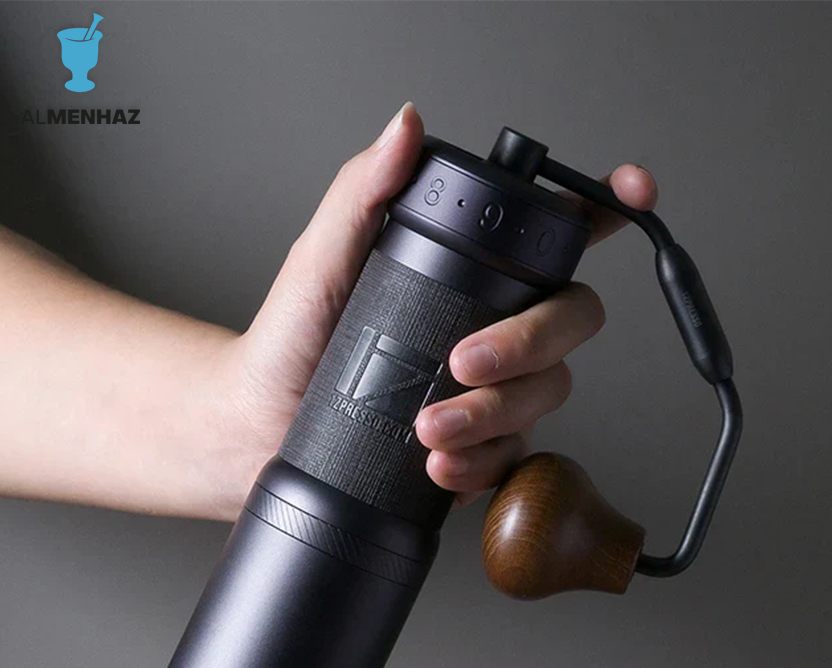
It's a widely known fact among coffee aficionados: the best cup starts with the best grind. Your grinder is not just another gadget in your kitchen; it's the unsung hero, directly affecting the consistency of your grinds and therefore the very flavor of your morning coffee.
But here's the thing – over time, even the top-of-the-line grinder becomes a casualty of the sneaky saboteurs: stubborn coffee oils, minuscule fine grounds, and hidden residue. The unwanted accumulation doesn't just lurk in the shadows; it actually ruins performance and taints the flavor of your beloved beans.
And so, if you've ever wondered how best to maintain your grinder in its top performance, you're in the right place. This cleaning coffee grinders guide is packed with simple-to-follow, real-life instructions, offering everything from quick morning routines to more in-depth cleaning routines, all designed to have your grinder delivering the very best results and lasting for years to come.
The Importance of a Clean Coffee Grinder
A clean coffee grinder is not an option for better coffee. It straightaway impacts grind quality, taste, and your grinder's longevity. Keep regular cleaning coffee grinders as your top priority for the best brewing experience.
Improving Grind Consistency
Ever notice your coffee grinds looking a bit off, maybe some fine dust mixed with chunky bits? That's likely from accumulated grounds and stubborn oils causing clumping and uneven particle sizes.
With clean burrs on your grinder, they're in good order and can do their job well, grinding each bean consistently. This is addressing those pesky imperfections specifically, giving you much more evenly ground for more effective extraction.
Improving Coffee Flavor and Aroma
Imagine buying delicious, fresh coffee beans only to have their true potential hidden. Old coffee oils can impart rancid or bitter flavors clogged up in your grinder, completely erasing the delicate, nuanced notes that you paid for. Regular cleaning coffee grinders removes these stale oils, allowing the authentic, vibrant flavor profile of your coffee to truly shine through.
Preventing Mechanical Issues
Think of your coffee grinder's motor as the heart of the machine. When a lot of grime builds up inside, the coffee grinder motor works even harder, leading to fatigue and eventual death. You might start to notice a rise in coffee grinder noise problems or a general slowdown.
Cleaning coffee grinders regularly combined with proper maintenance help to prolong the life of all its components, ranging from the motor to the burrs. Knowing coffee grinder blade wear signs can also indicate when professional service or replacement is needed, often a problem accelerated by neglecting proper cleaning.
Your Coffee Grinder Maintenance Routine
Cleaning your coffee grinder doesn't need to be a hassle. A daily routine guarantees best performance and longest lifespan. These easy steps for cleaning coffee grinders will ensure your brew tastes its best, and maintenance is easy.
Daily Cleaning: The Quick Tidy-Up
At the end of every use, a tidy-up keeps build-up at bay. This targets loose grounds and oils in your grinder's grounds bin and chute:
-
Use a dry brush (one of the essential tools to clean coffee grinders) to sweep away any leftover residue.
-
Empty the ground container completely.
Note: Always stick to dry methods for day-to-day cleaning. Introducing moisture can lead to damage and rust, which is not something we want to occur!
Weekly Cleaning: A More Thorough Approach
Each week, it is time for a slightly more involved clean-out, with attention to the burrs and the inside grinding chamber. This is thoroughly getting into the nooks and crannies.
-
Carefully disassemble the top burr if your grinder instruction sheet indicates that it can be disassembled with ease.
-
Clean the burrs and adjacent chamber very well using a grinder brush or a specific cleaning brush.
-
Never forget to brush out the discharge chute to clear away any stubborn, jammed grounds.
-
For those terribly recalcitrant dust particles, give the vacuum attachment a try – it's pure magic!
This is the cornerstone of an effective Coffee Grinder Maintenance Routine.
Monthly/As Needed Deep Cleaning
For heavily loaded grinders, especially espresso grinders, a monthly deep cleaning is a sanity-saver. This is where we become heavy-duty on cleaning coffee grinders.
-
Separate the burrs completely, always consulting your grinder manual for specific instructions.
-
Use a special brush to wipe the burrs clean. Alternatively, you can use food-safe pellets designed for grinders to remove the oils and grind away stubborn residue.
-
Clean any other internal components that are visible.
-
Finally, reassemble everything carefully, positioning the burrs properly for optimal performance.
Cleaning Different Types of Coffee Grinders
Though the general rules of cleaning coffee grinders remain the same, different types of grinders have certain requirements. Knowing these points ensures the right care for your unit, keeping it in peak condition.
How to Clean Burr Grinders (Flat vs. Conical)
Both flat and conical burr grinders need extra care given to their burr sets.
-
For flat burrs, care is taken to extremely meticulously clean the flat surfaces of the static and rotary burrs, their carrier and housing.
-
For conical burrs, you will deal with the inner and outer burrs and ensure those conical surfaces and edges are immaculately cleaned of any residue. For either, reassembly with care is extremely crucial to ensure proper alignment, which is critical for even grinding.
Cleaning Blade Grinders
Cleaning blade grinders will typically be the lesser of the two evils. It typically only involves brushing out loose grounds. You can even use a damp cloth, but only if the manufacturer recommends it specifically, and it is extremely important to allow everything to dry completely before using it again.
Warning: blade grinders are less precise and produce more fine particles. Aggressive cleaning will damage the blades, so never use water unless your manufacturer specifically indicates that it's safe.
Espresso Grinder Specifics
Espresso grinders are the exception. As they produce extremely fine grounds and sometimes additional chaff, they demand more constant maintenance. You'll need to clean the chute and dosing system considerably more frequently so you won't be frustrated with clogs.
This increased frequency in cleaning coffee grinders when it comes to espresso models ensures your delicate espresso shots are never compromised by old, stuck grounds, maintaining consistent flow and flavor.
Tools to Clean Coffee Grinders
With the right tools, coffee grinder cleaning is much easier and faster. With some easy tools, a gloomy task becomes a quick, satisfying one, and your grinder will always be in its best condition to brew fantastic coffee.
Here is a complete set of Tools to clean coffee grinders is what makes the process efficient and effective:
-
Grinder Brushes: These are your best friends! Soft-bristled brushes are completely the way to go for gently brushing off burrs and all those intricate inner workings without any possibility of scratching. A grinder brush specifically, usually having particular angles and bristle stiffness, is actually ideal for getting into all those corners and crevices.
-
Small Blower or Vacuum Cleaner: Ever have a problem with those ridiculously fine dust particles and grounds that just seem to stick around everywhere? A small vacuum cleaner or blower is immensely helpful in sucking up or blowing out those pesky little bits from all the tight spaces, ensuring a proper clean.
-
Grinder Cleaning Pellets: These are a secret agent for heavy-duty cleaning! Soak up leftover coffee oils and grind away stubborn buildup with food-grade edible pellets. They simplify deep cleaning, getting your burrs much cleaner and ready for fresh beans.
-
Screwdriver Set: When a more in-depth cleaning is required, a screwdriver set is essential to slowly disassemble components. Always and forever remember to read your grinder manual first to learn what parts can be disassembled and how.
-
Microfiber Cloth: A soft microfiber cloth works great on the outside of your grinder. It's great for wiping away fingerprints, dust, and any stray grounds, keeping the outside looking as clean as the inside performs.
When to Seek Professional Grinder Service
While routine cleaning coffee grinders at home is important, sometimes your grinder requires a pro. Recognizing when to bring in the professionals can head off larger problems and prolong its life, ensuring your investment keeps working.
Signs Your Grinder Needs Professional Servicing
Even with regular home maintenance, some problems are more than a simple clean. These are important signs it's time to bring in the professionals:
-
Persistent Grind Inconsistency: If, after a thorough cleaning, your grinds are still clumpy or inconsistent, your burrs may be dull or clogged. This is one of the leading indicators of grind inconsistency causes that can't be fixed with home cleaning.
-
Unusual Noises: Is your grinder's noise unusual all of a sudden? A malfunctioning motor, added rattling, or grinding noise sounding quite unusual are all signs of trouble. This tends to repair a coffee grinder sound problem from internal mechanical issues needing professional analysis.
-
Visible Burr Wear or Damage: Examine your burrs carefully. Dull tips, chips, or any wear are evidence of coffee grinder blade wear and need to be replaced, a task best done by someone who can do it professionally.
-
Excessive Heat: If your grinder motor overheats even during normal use, even for short periods of time, it indicates internal stress that requires professional treatment.
Coffee Grinder Service Schedule
For commercial grinders, like those used in busy cafes, regular professional Coffee grinder service is highly recommended – e.g., every 6-12 months. This involves rigorous deep cleaning, proper burr alignment checks, and strict motor examinations.
While home grinders rarely need as much regular professional maintenance, monitoring for the above indications is absolutely necessary. Avoid a small issue becoming a costly repair; home cleaning coffee grinders regularly, combined with maintenance, is a miracle worker.
Common Coffee Grinder Cleaning Mistakes to Avoid
Even with the best intentions, it's easy to make mistakes when cleaning coffee grinders. Avoiding these common pitfalls will protect your investment, ensure its longevity, and guarantee consistently delicious coffee, making your cleaning efforts truly effective:
-
Using Water or Soap Improperly: This is quite possibly the most critical Coffee Grinder Cleaning Mistake. NEVER, EVER soak your grinder or motor in water. Water and electricity do NOT mix! Use water only on burrs if your manufacturer recommends that you can, and even then, you must ensure they are nice and bone dry before assembling them again so as not to rust or get damaged.
-
Forgetting the Chute and Dosing Chamber: It's easy to focus on the burrs, but neglecting the chute and dosing chamber is a common oversight. Residue build-up in these areas is a frequent cause of frustrating clogs and irregular dosing, which directly influences the quality of your brew. Make sure these hard-to-see areas are part of your cleaning coffee grinders process.
-
Overlooking Burr Condition: Your burrs are the heart of your grinder's operation. Failing to regularly inspect them for wear, dullness, or persistent residue buildup impacts grind quality and consistency straight away. Dull burrs can crush rather than grind beans, resulting in a poor cup, so always check them very carefully!
-
Using Harsh Chemicals: Refrain from the urge to use harsh cleaners to deal with stubborn residue. Harsh chemicals may damage parts of your grinder, leave behind harmful residues, and even influence the taste of your coffee. Use specialty, food-grade cleaning agents or simple, effective dry cleaning when cleaning coffee grinders.
-
Forcing Disassembly: We know you'd love to get that final speck clean! But forcing components apart during disassembly is a recipe for disaster. Always refer to your grinder's manual prior to attempting to take it apart. Components are made to fit perfectly, and forcing them can cause stripped screws, broken plastic, or ruined burrs, which are aggravations you certainly don't need.
The Impact of Regular Cleaning on Your Coffee
Regular cleaning coffee grinders isn't just about machine maintenance; it directly elevates your coffee experience. A clean grinder ensures every cup reaches its full potential, transforming your daily ritual into something truly exceptional.
-
Better Espresso Flavor: If you're an espresso lover, this is paramount! A clean grinder is absolutely essential for pulling those perfect shots. It directly contributes to cleaner, sweeter, and significantly more balanced espresso, free from any off-flavors that old oils might impart. You'll truly taste the delicate nuances of your beans, making every shot a delight.
-
Improved Filter Coffee: For those who prefer pour-over or drip, a clean grinder makes a world of difference. Regular cleaning coffee grinders removes the bitterness and staleness that can creep into your cup from old residue. The result? A noticeably brighter, more aromatic, and cleaner-tasting cup of filter coffee that truly highlights the beans' inherent flavors.
-
Consistent Dosing: Ever notice inconsistent amounts of coffee ending up in your brew basket, or frustrating clumping? A clean grinder drastically reduces clumping and ensures that the correct, consistent amount of coffee grounds makes it into your brew basket every single time. This precision is vital for repeatable brewing results and ultimately, a more satisfying cup.
In Conclusion
And there you are! For every coffee aficionado set on high regarding the quality of their morning coffee, regular cleaning of coffee grinders and upkeep is strictly non-negotiable. It's not just a matter of having your machine in good looks; it's about keeping the very heart of your coffee's flavor going as well as keeping your machinery running.
By implementing a routine, whether it's speedy daily tidies or the more thorough weekly and monthly grind cleans, and by knowing when to bring in some outside help, you're keeping your grinder performing at its absolute best. That dedication is doing that even grind and that nice cup of coffee you want, not for months, but years.
Let's move forward. We strongly urge you to get your grinder's manual and check for any special cleaning instructions specific to your model – the first place to check, naturally! And if you've noticed those telltale signs of wear, especially if your grinder is a high-volume or espresso grinder, don't wait. Have a pro look it over or burr replacement at Almenhaz.com, and to truly maintain your grinding quality, explore the coffee grinders available.
FAQs
What are the best tools for cleaning coffee grinders at home?
A grinder brush, a small vacuum or blower, and specialized grinder cleaning pellets are your best bets.
How often should I perform a deep clean on my coffee grinder?
For most home users, a deep clean every month or as needed, especially if used heavily or for espresso, is ideal.
Can I use water to clean my coffee grinder burrs?
Only if explicitly permitted by the manufacturer, and always ensure burrs are bone dry before reassembly to prevent damage.
What are the signs my coffee grinder needs professional servicing?
Persistent grind inconsistency, unusual noises, visible burr wear or damage, and excessive motor heat all indicate a need for professional help.
Does cleaning my grinder actually improve my espresso taste?
Absolutely! Regular cleaning removes stale oils and grounds, leading to cleaner, sweeter, and more balanced espresso shots


